De Beers closes Venetia mine, cutting 4,000 jobs
De Beers will shut its Venetia mine for two years due to plummeting diamond demand, especially in China, and cheaper lab-grown alternatives. This threatens over 4,000 jobs and highlights the industry’
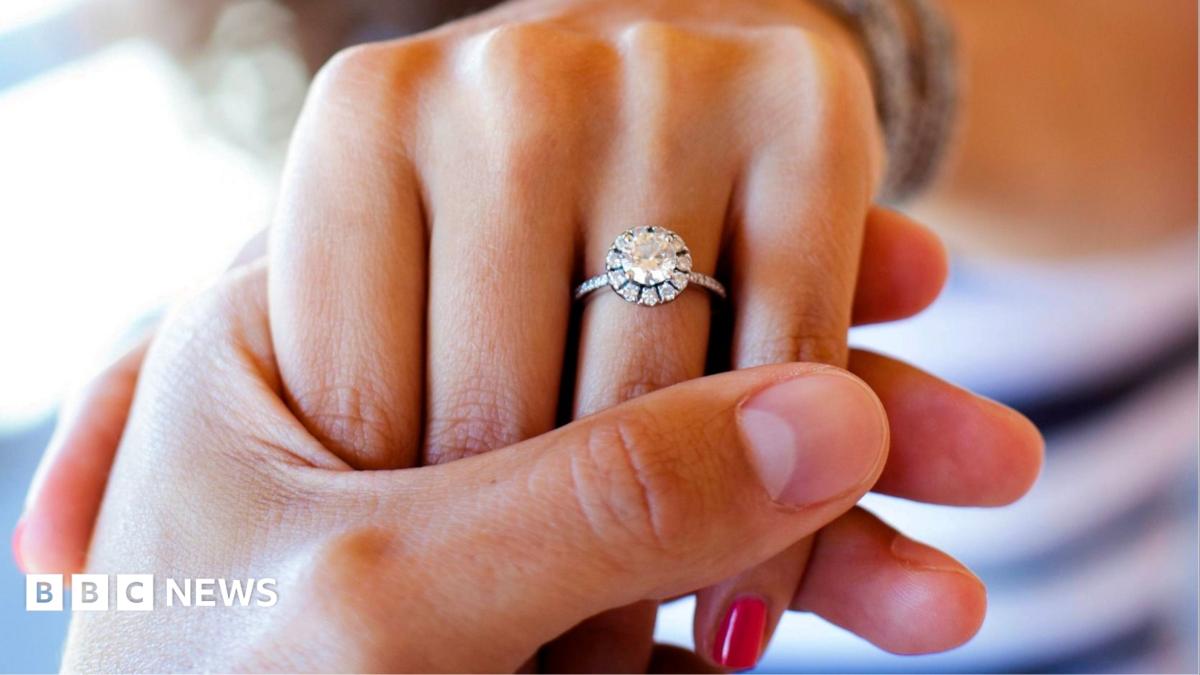
De Beers, the world’s biggest diamond company, is shutting its flagship Venetia mine in South Africa for two years as global demand for diamonds colla
Read Full Story at BBC Business →Why This Matters
The shutdown of De Beers' Venetia mine isn't just a corporate adjustment—it reflects a tectonic shift in the luxury market where traditional diamond demand is colliding with generational buying habits and supply chain vulnerabilities. With China's economy cooling and younger consumers increasingly favoring lab-grown gems, this decision could redefine how the industry balances scarcity, authenticity, and value in a post-growth era.
Background Context
South Africa's mining sector has long been a bellwether for broader economic trends, with Venetia serving as De Beers' largest operation outside Botswana since its 1993 opening. The mine's closure comes amid a perfect storm: a 20% drop in global diamond demand in 2023 (per Bain & Co.), surging lab-grown diamond production costs falling below natural stones, and China's post-pandemic luxury spending slowdown, which once accounted for 20% of De Beers' revenue.
What Happens Next
Expect a domino effect in Southern Africa's diamond ecosystem, where mining towns like Musina may face prolonged unemployment crises unless retraining programs emerge. Meanwhile, De Beers' competitors could accelerate closures, testing the resilience of global diamond price controls. The two-year hiatus also buys time to assess whether lab-grown diamonds will stabilize as a premium segment or remain a disruptive force.
Bigger Picture
This isn't an isolated mining crisis but a symptom of the "commodity supercycle's" unraveling, where once-reliable luxury goods face existential threats from climate-conscious consumers and AI-driven valuation models. As lab-grown diamonds reach near-parity with natural stones in quality and branding, the industry's future may hinge on whether it can monetize artificial scarcity—or pivot entirely to sustainable alternatives.