Researchers use Tris buffer to protect mRNA nanoparticles during freezing
Researchers found that adding a Tris buffer protects mRNA lipid nanoparticles from damage during freezing, preserving their effectiveness. This advancement could simplify vaccine storage and distribu…

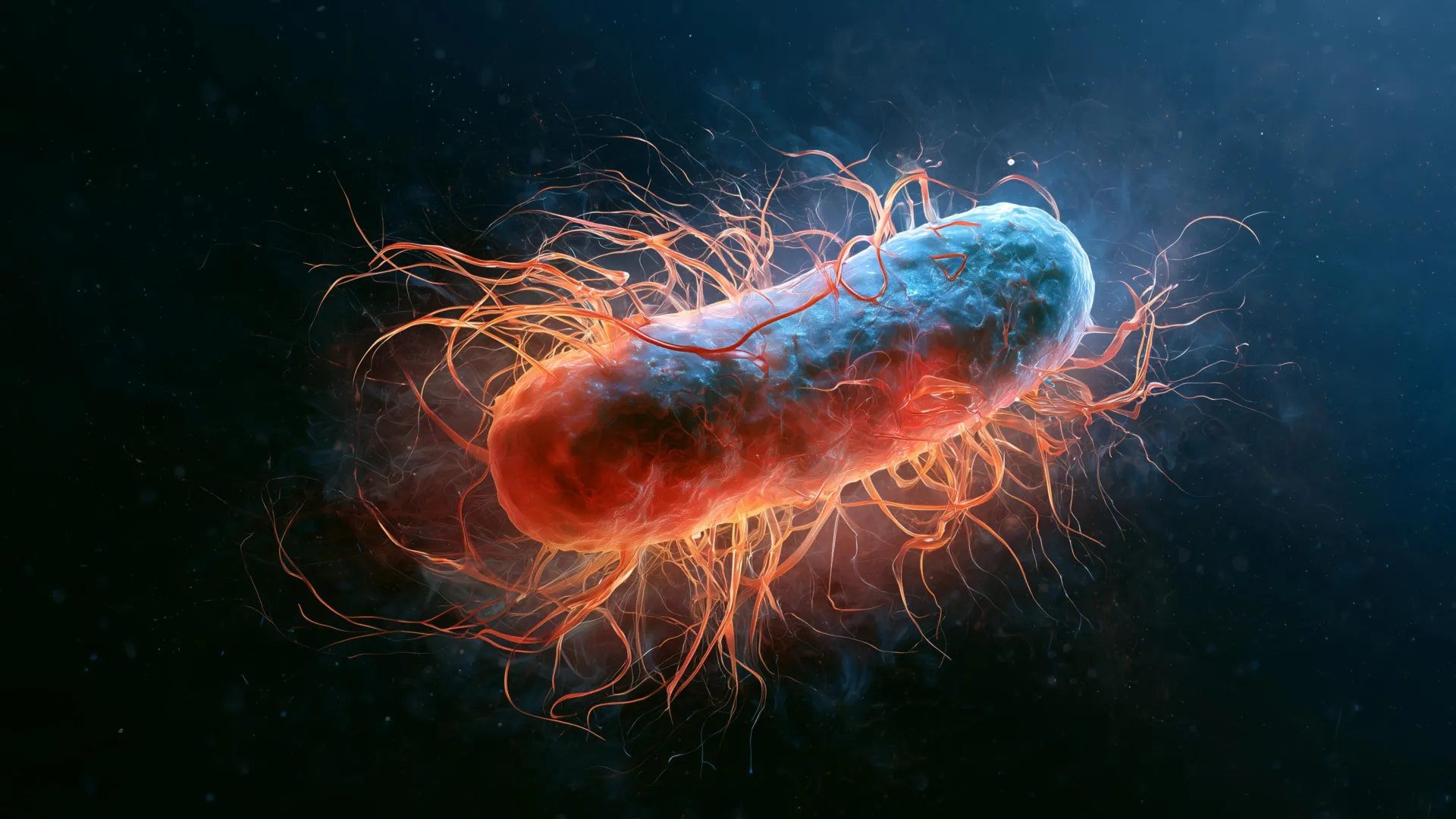
Researchers at the University of Texas at Austin and pharmaceutical giant Eli Lilly have shown that freezing messenger‑RNA (mRNA) lipid nanoparticles—used in COVID‑19 vaccines and emerging therapies—damages their structure, but that adding a simple Tris buffer can keep them intact.
The finding matters because mRNA vaccines rely on tiny fat‑based particles to protect the fragile RNA and deliver it into cells. Current vaccines must be kept at very low temperatures to prevent the particles from breaking apart. In many parts of the world, such cold‑chain storage is difficult, limiting vaccine reach. If the particles lose integrity, the vaccine’s effectiveness drops, and the RNA can be destroyed before it reaches the body.
In the study, the team froze the nanoparticles at several temperatures and measured their size, RNA content and ability to enter cells. At -80 °C the particles shrank and leaked RNA, and after a month only about 30 % of the original activity remained. When a Tris buffer at a neutral pH was added before freezing, the particles stayed the same size, the RNA stayed intact, and after a month they retained about 90 % of their activity. The buffer appears to shield the lipid shell from ice crystal damage, a simple trick that could be built into manufacturing.
The next step is to test the buffered particles in animal models and on a larger scale. If the buffer works in real‑world conditions, manufacturers could store vaccines at standard refrigeration temperatures for longer periods, cutting costs and simplifying distribution. This could make mRNA medicines more accessible worldwide and may spur further research into other protective additives for nanomedicines.
Read Full Story at Phys.org →