Zia ul-Haque loses Frisco mayoral race by 289 votes
Zia ul-Haque, a Pakistani-American Muslim, lost a Frisco, Texas mayoral race by under 300 votes after his opponent shared an anti-Islam Facebook post, highlighting rising Islamophobia in a diverse, gr
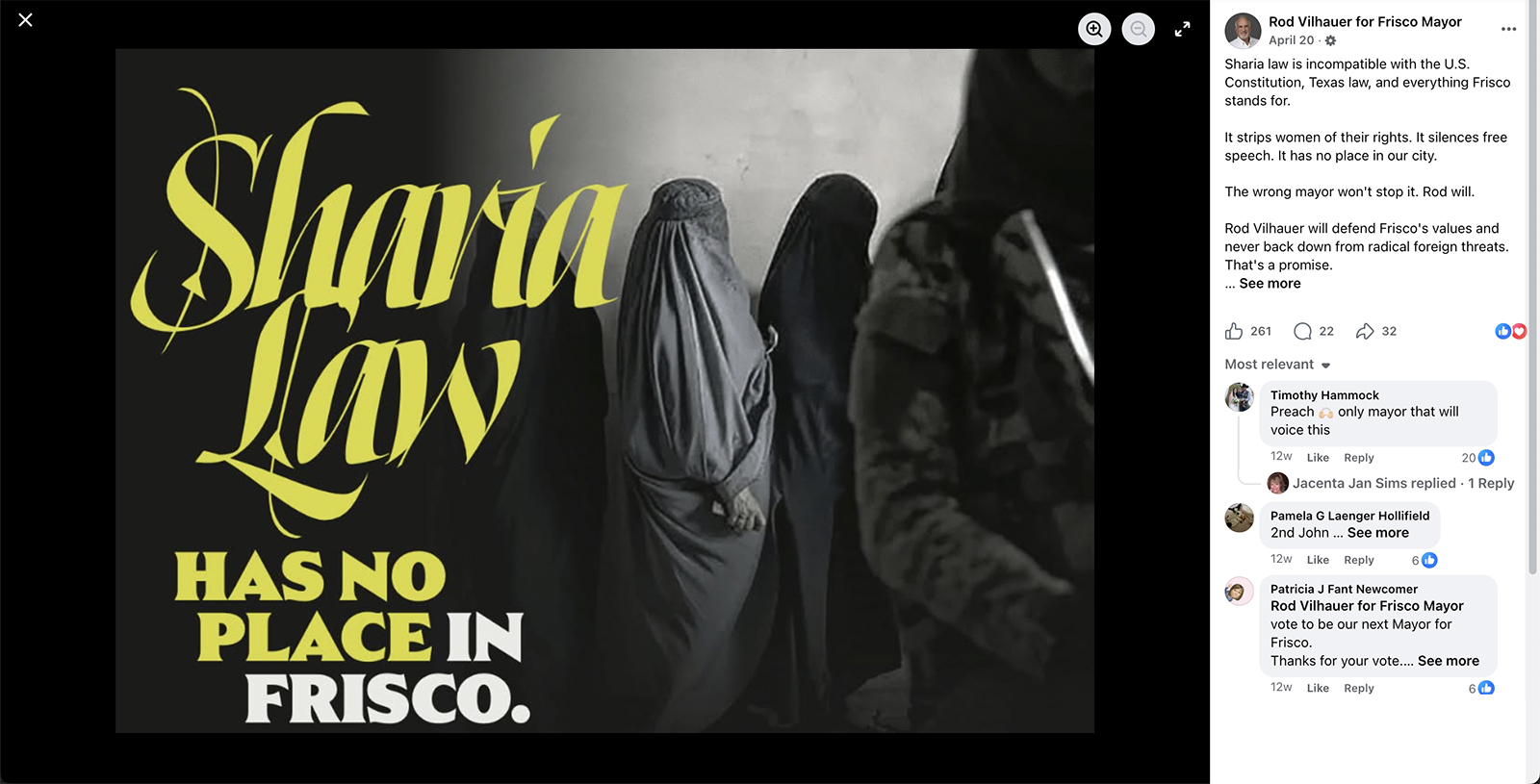
A bitter mayoral race in Frisco, Texas, exploded into a national flashpoint this week after a candidate’s anti-Muslim and anti-Hindu remarks exposed d
Read Full Story at Religion News Service →Why This Matters
The Frisco mayoral race reflects a disturbing national pattern where anti-Muslim sentiment—often amplified by social media—can sway local elections in rapidly diversifying suburban communities. It serves as a case study in how fear-based rhetoric can override policy debates in the absence of strong institutions countering misinformation.
Background Context
Frisco, Texas, has transformed from a quiet exurb into one of the country’s fastest-growing cities, with a Muslim population that has nearly tripled in the past decade. The city’s rapid demographic shift has outpaced its political infrastructure, leaving many residents—and candidates—ill-prepared for the backlash that often accompanies rapid cultural change.
What Happens Next
The narrow margin of defeat raises questions about whether the Islamophobic rhetoric will escalate in future races or prompt a backlash from voters who reject overt bigotry. Meanwhile, local Muslim advocacy groups are weighing whether to push for stronger anti-discrimination measures, a move that could further polarize a city already divided over identity politics.
Bigger Picture
This incident joins a growing number of cases where Islamophobia has become a wedge issue in suburban elections, particularly in states like Texas where rapid demographic change collides with conservative media ecosystems. It underscores how local politics are increasingly mirroring national culture wars, with social media acting as an accelerant for fear rather than a forum for dialogue.