Jailed fraudster moves $290K in crypto from prison
A jailed fraudster allegedly used smuggled devices to access and move $290,000 in forfeited cryptocurrency from prison. The case highlights vulnerabilities in crypto forfeiture and prison security, sh
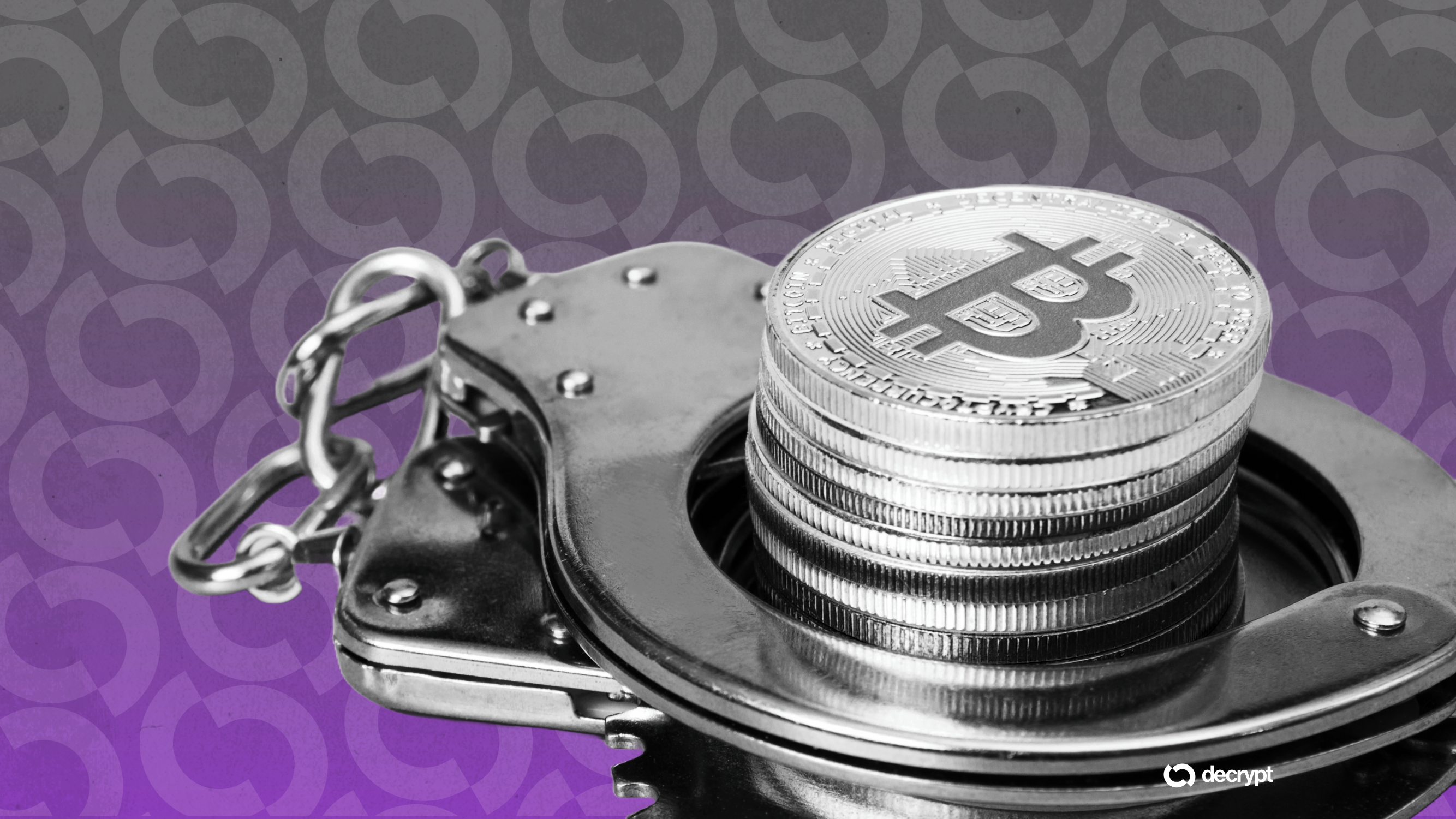
A jailed fraudster serving a sentence for laundering $5 million has been charged with moving $290,000 in forfeited cryptocurrency—while locked up in p
Read Full Story at Decrypt →Why This Matters
The case underscores a critical flaw in how digital assets are managed within the justice system, revealing that even forfeited cryptocurrency—meant to compensate victims—remains vulnerable to manipulation by incarcerated criminals. It exposes the tension between modern financial systems and traditional correctional controls, raising urgent questions about whether prisons can ever fully prevent tech-savvy inmates from exploiting loopholes.
Background Context
Cryptocurrency forfeiture has become a cornerstone of financial crime enforcement, with agencies like the DOJ seizing billions in digital assets annually. Yet prisons, designed to restrict physical contraband, were never built to account for the stealthy transfer of digital wealth—especially when inmates retain access to smuggled devices or external accomplices. This incident is not isolated; similar breaches have emerged in high-security facilities where contraband smartphones and tablets facilitate unauthorized transactions.
What Happens Next
Prosecutors will likely pursue stricter protocols for isolating digital forfeiture wallets, possibly including air-gapped storage or multi-signature requirements tied to law enforcement. The case may also accelerate calls for specialized training for prison staff on detecting crypto-related contraband, while defenders of digital asset security could push for blockchain forensics to trace illicit movements. Meanwhile, the fraudster’s access to external networks raises concerns about collusion with accomplices outside prison walls.
Bigger Picture
This episode reflects a growing arms race between cybercriminals and authorities as digital crime evolves faster than regulatory frameworks. It highlights how decentralized finance—once hailed for its immutability—can be weaponized even after asset seizures, forcing a reckoning with whether traditional enforcement tools remain viable. As more forfeited crypto enters circulation, expect heightened scrutiny of blockchain governance and calls for adaptive oversight in an era where the prison cell is no longer a digital firewall.