Bill Nelson warns China may restrict Moon's south pole access
NASA Administrator Bill Nelson warned that China might restrict access to parts of the Moon's south pole, a region rich in resources crucial for future exploration. This competition for lunar dominan…
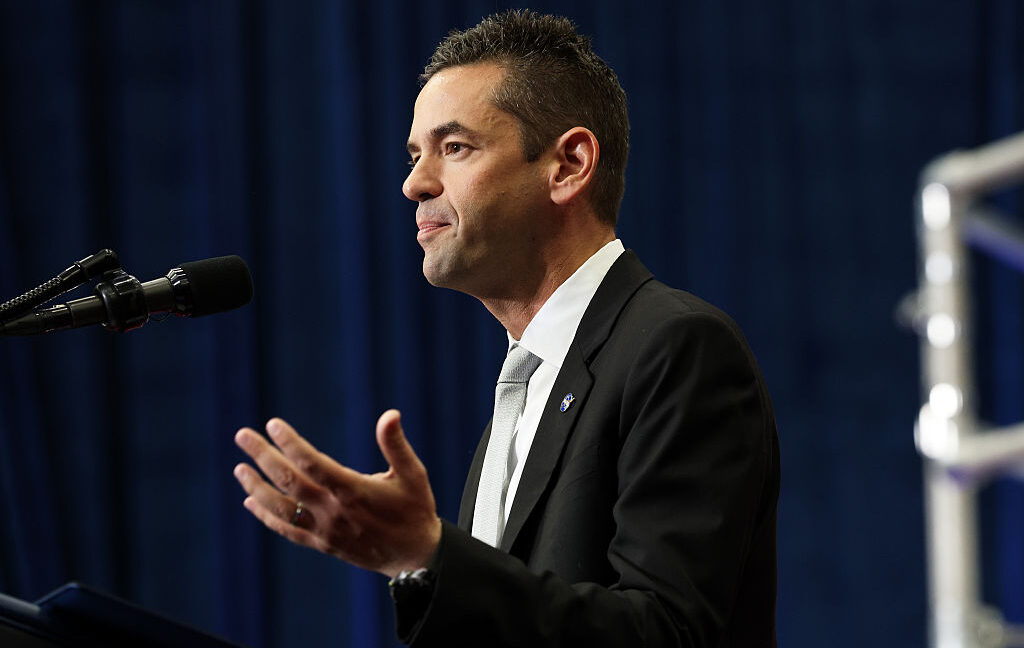
NASA Administrator Bill Nelson expressed concerns that China may restrict access to parts of the Moon's south pole, particularly as nations ramp up their lunar exploration efforts. Nelson's comments came during a recent interview, highlighting the increasing competition in space exploration. He emphasized the geopolitical implications of this race, suggesting that who lands first on the Moon’s south pole could influence global power dynamics.
This situation arises as multiple countries, including the United States, China, and Russia, intensify their lunar ambitions. The Moon's south pole is believed to hold valuable resources, such as water ice, which could support future human missions and even serve as a launching point for deeper space exploration. The urgency to establish a presence in this region has created a sense of rivalry. The Artemis program, led by NASA, aims to return humans to the Moon by 2025, while China has also announced plans to send its astronauts to the lunar surface.
Nelson's remarks reflect broader concerns within the U.S. space community regarding China's growing capabilities and ambitions in space. China has made significant advancements in its space program, including the successful landing of the Chang'e 4 rover on the far side of the Moon and plans for a permanent lunar base. The potential for China to claim exclusive rights to lunar resources raises questions about international cooperation in space and the future of lunar exploration.
Looking ahead, the U.S. may need to strengthen partnerships with other nations to ensure equitable access to lunar resources. The situation underscores the importance of international agreements in space exploration. With both China and the U.S. vying for dominance, how these nations navigate their ambitions could shape the future of space exploration, impacting everything from scientific discovery to national security.
Read Full Story at Ars Technica →