Scientists discover 50,000-year-old DNA in African caves
DNA can survive for up to 50,000 years in Africa's hot, dry caves, not just cold climates. This allows scientists to study ancient species and human ancestors more effectively, potentially revealing n
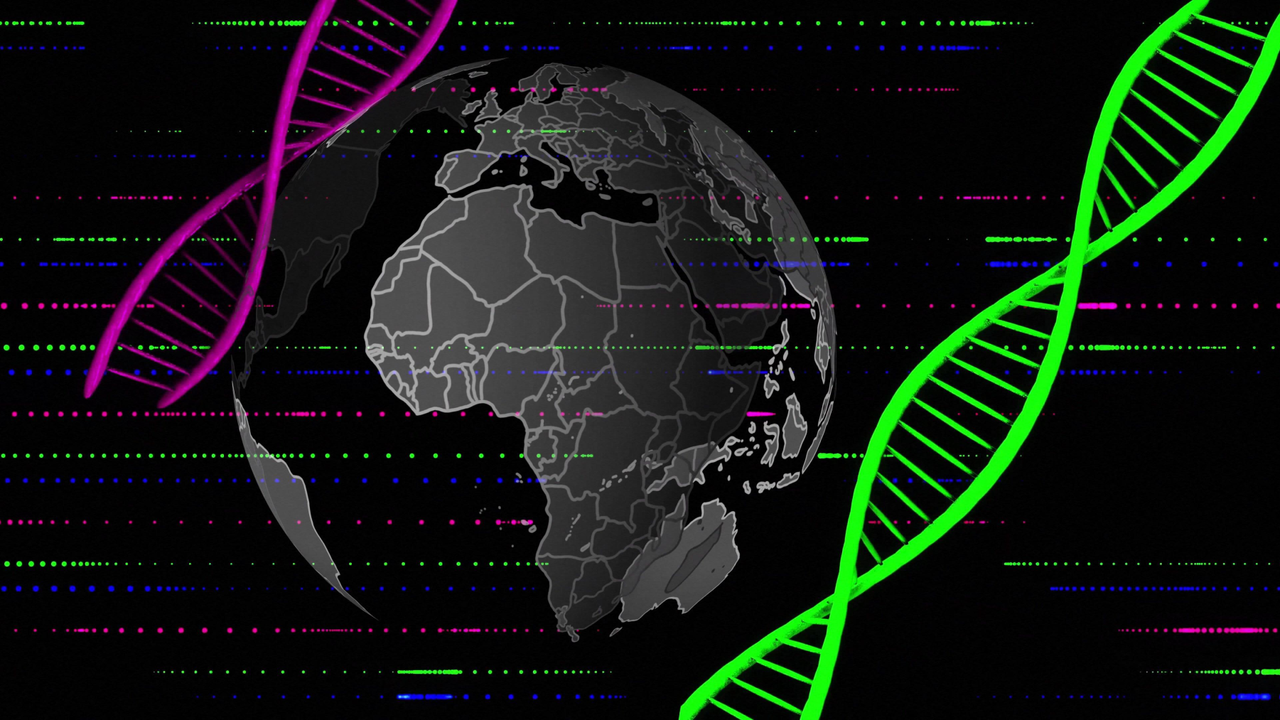
Researchers have found DNA can survive for up to 50,000 years in Africa—far longer than the previous estimate of around 10,000 years. A team extracted
Read Full Story at Live Science →Why This Matters
The discovery that DNA can persist for tens of thousands of years in Africa's arid cave environments fundamentally reshapes how we approach paleogenomics, particularly in regions long dismissed as unsuitable for genetic preservation. This breakthrough expands the toolkit for reconstructing ancient human migrations, evolutionary bottlenecks, and even prehistoric ecosystems across the continent that gave rise to humanity itself.
Background Context
For decades, the field of ancient DNA research operated under the assumption that extreme cold—like permafrost in Siberia or high-altitude glaciers—was the only environment conducive to genetic preservation over millennia. African archaeology, meanwhile, has faced persistent funding gaps compared to research in Europe or the Americas, limiting sample collection and genetic analysis despite Africa's unparalleled human evolutionary timeline.
What Happens Next
Expect a surge in targeted excavations in Africa’s dry caves, particularly in regions like South Africa’s Cape Floristic Region or Tanzania’s Rift Valley, where early hominin fossils have been found. The finding may also pressure institutions to invest in preservation infrastructure for African specimens, while raising ethical questions about the commercialization of genetic data from Indigenous populations whose ancestors’ DNA is being studied.
Bigger Picture
This challenges the long-standing geographic bias in paleogenomics, which has overrepresented European and Near Eastern samples in our understanding of human history. As climate change accelerates desertification in other regions, the discovery suggests similar preservation potential may exist in unexpected global hotspots, potentially unlocking genetic time capsules in places like Australia’s arid zones or the Atacama Desert.